
The importance of Hygiena swabs in ensuring food safety
In the food industry, maintaining a safe and hygienic environment is not just best practice – it’s a necessity. One of the most effective tools for preventing contamination and verifying cleanliness is the use of Hygiena swabs.
Contamination can lead to serious consequences, including foodborne illnesses, legal repercussions, and damage to your business’s reputation.
Hygiena swabs provide a fast, reliable, and straightforward way to verify the effectiveness of cleaning protocols, helping food businesses uphold safety standards and remain compliant with regulations.
What are Hygiena swabs?
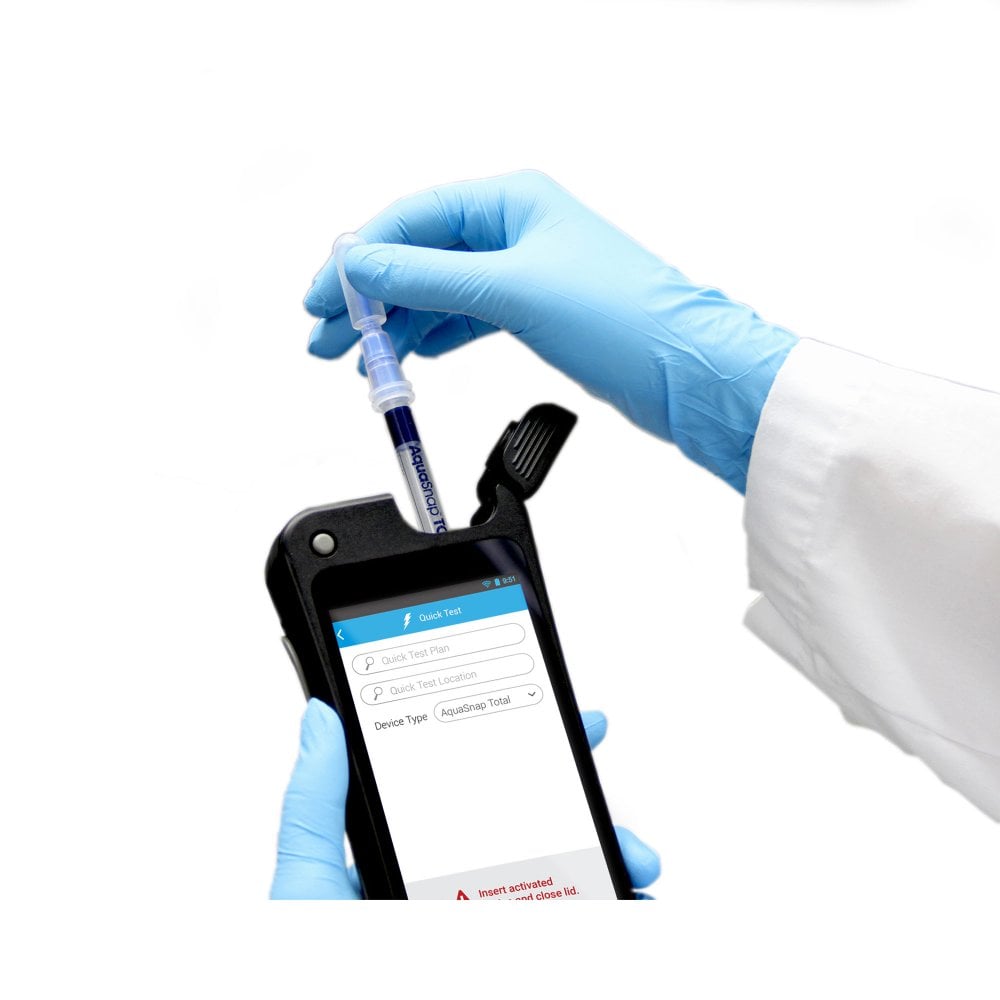
Hygiena swabs are rapid hygiene monitoring tools used to detect the presence of organic residues, proteins, and potential contaminants on surfaces, equipment, and hands.
They help verify whether cleaning procedures have effectively removed food particles and bacteria.
There are several types of swabs designed for different testing purposes, including:
- ATP swabs: Measure adenosine triphosphate (ATP), an indicator of biological residue. A high ATP reading may suggest poor cleaning or cross-contamination.
- Protein residue swabs: Detect leftover proteins from raw meat, fish, or dairy, which can harbour harmful bacteria.
- Allergen swabs: Identify traces of allergens, ensuring compliance with allergen management protocols.
- Colour change swabs: Used for environmental monitoring, helping detect pathogens like Salmonella or Listeria.
How Hygiena swabs improve food safety
1. Rapid verification of cleanliness
Hygiena swabs deliver immediate results, allowing food businesses to confirm whether surfaces and equipment are properly sanitised.
With ATP swabs, for example, the results are typically available within 15 seconds, providing quick feedback and enabling immediate corrective action if needed.
2. Reduced risk of cross-contamination
Regular testing with swabs helps identify areas that may have been missed during cleaning.
By detecting biological residues early, you can prevent cross-contamination and reduce the risk of foodborne pathogens spreading.
3. Compliance with food safety regulations
Food businesses must adhere to HACCP (Hazard Analysis and Critical Control Points) protocols and regulatory standards.
Swab testing provides tangible evidence of compliance by demonstrating that cleaning procedures are effectively removing contaminants. This is particularly valuable during audits.

4. Cost-effective and efficient monitoring
Hygiena swabs are easy to use and provide real-time data, reducing the need for expensive lab testing in some cases. This makes them a cost-effective solution for regular hygiene monitoring.
5. Enhanced customer confidence
Demonstrating a commitment to hygiene through regular swab testing boosts customer confidence. It shows that your business prioritises safety and takes proactive steps to prevent contamination.
Best practices for using Hygiena swabs
- Regular testing: Integrate swab testing into your daily or weekly cleaning schedule.
- Test high-risk areas: Prioritise testing on food prep surfaces, utensils, and equipment that frequently come into contact with raw ingredients.
- Record and review results: Keep a log of test results to monitor trends over time and identify areas for improvement.
- Take corrective action: If a swab reveals contamination, immediately implement corrective measures, such as re-cleaning and re-testing the area.
At Complete Safety Supplies, we offer a range of Hygiena swabs designed to support your food safety practices.
Whether you need ATP testing, allergen detection, or protein residue monitoring, these swabs help you maintain a clean and compliant food environment. Explore Hygiena Swabs to safeguard your business and protect your customers.
Comments are closed here.