
The importance of Hi-Vis in warehousing & food storage
Warehouses and food storage facilities are constantly on the move. Forklifts reverse in and out of aisles, pallet trucks cut across walkways, and deliveries arrive around the clock. In this kind of environment, the ability to see and be seen is central to preventing accidents.
Hi-vis clothing ensures workers are immediately noticeable, even in the dim light of cold storage areas or during night shifts. The simple addition of reflective strips and fluorescent fabric can mean the difference between a near miss and a serious incident.
In food storage/distribution there are hygiene, cross-contamination, and strict regulatory regulations; staff movement must be managed safely while respecting food safety practices such as clean/segregated zones and appropriate clothing.

Situations where Hi-Vis can’t be overlooked
Although it is tempting to view hi-vis as something for outdoor yards or loading bays, its relevance extends to almost every part of the storage and distribution process.
Staff moving through a warehouse aisle, contractors inspecting chillers, and drivers manoeuvring in confined spaces all benefit from enhanced visibility.
Poor lighting, early morning shifts, and the enclosed conditions of cold stores further increase the need. Many sites now adopt a “hi-vis everywhere” approach, recognising that risks are rarely confined to a single location.
You’ll typically need hi-vis in all places and times when:
- There’s vehicle movement (forklifts, trucks) within shared spaces with pedestrians.
- Lighting is poor, or hours are outside daylight (early morning, evening, night).
- During loading / unloading, in docks, during shift changes, in external yards.
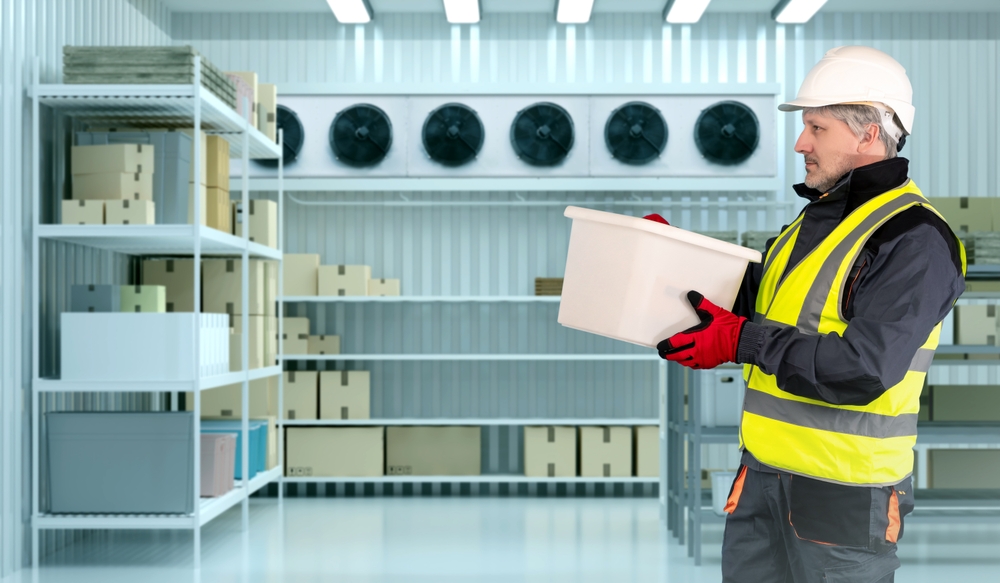
- In cold stores / chillers (visibility can degrade, tipping/trip hazards increase).
- For visitors or contractors moving through storage/distribution areas.
What the law and standards say about Hi-Vis
UK law is clear on an employer’s responsibility to provide personal protective equipment where risks cannot otherwise be controlled:
- Personal Protective Equipment at work regulations 2022: Employers must provide suitable PPE free of charge to workers exposed to risk. Hi-vis clothing is considered PPE when visibility is needed.
- The Health and Safety at Work etc. Act 1974, under which employers have general duties to ensure safety of employees.
- The BS EN ISO 20471 standard (formerly EN 471) for high-visibility warning clothing: specifies performance requirements (fluorescence, reflectivity, minimum areas of material).
- Guidance such as HSE’s Warehousing and storage: A guide to health and safety (HSG76) which discuss vehicle movement, layout, PPE including hi-vis.
- For food operations, there are overlapping rules about PPE and safe handling: for example, standards for safe storage of food require following health and safety procedures and use of PPE.
The numbers behind warehouse safety risks
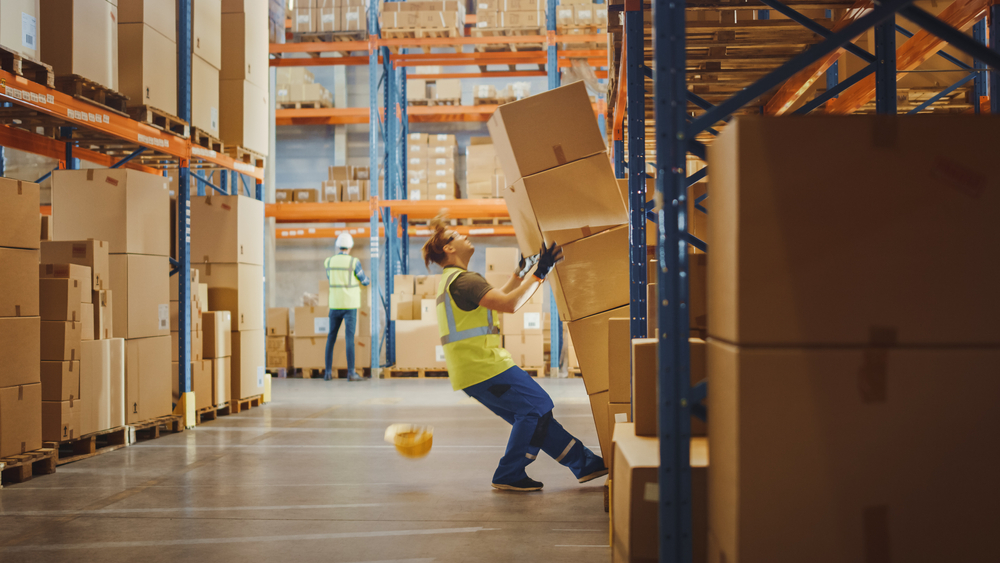
In the UK transportation & storage sector, being hit by a moving vehicle is one of the most common causes of fatal injury. About 37% of fatal accidents in that sector involve being struck by moving vehicles.
There are many non-fatal accidents as well: tens of thousands each year in transportation & storage.
The economic cost is substantial as workplace injury/ill health in that sector is estimated in the order of £1 billion per year.
Best practices and what employers must do
Providing hi-vis is only the first step. For it to be effective, employers must consider how garments are used, cared for and integrated with other clothing.
- Do a risk assessment: where and when is visibility an issue?
- Provide hi-vis garments that meet appropriate standards (e.g. EN 20471), in suitable classes depending on risk (Class 2 or 3 for higher risk / moving vehicles etc.).
- Ensure proper fit (not too loose, doesn’t snag on machinery), and ensure compatibility with other PPE (overcoats, gloves, cold-store gear etc.).
- Maintain them: clean, repair or replace damaged/reflection-worn garments.
- Train staff when and how to wear them; supervise usage.
Choosing the right Hi-Vis for the job
- Waistcoats / vests: Lightweight and useful in warmer settings or where layering is needed.
- Jackets / coats: For cold storage, outdoor yards, or in wet weather. Some are waterproof and insulated.
- Bib & brace overalls and trousers: For covering more of the body, especially in low lighting and moving equipment zones.
- Coveralls / full-body suits: In extreme conditions (cold room, freezer warehouses) or where contamination control is needed.
- T-shirts and shorts: For indoor, warmer zones, where ventilation is needed.
High-visibility clothing is a relatively simple PPE measure, but one with immense importance when it comes to food storage, distribution and warehousing settings.
When used correctly (right standards, right times, well maintained, properly fitted), it helps reduce collisions, prevent serious injury, and supports compliance with UK regulations.
For anyone managing or working in these environments, getting hi-vis right is part of responsible operations – not just ticking a box.
Comments are closed here.