
Kitchen safety: prevent slips, trips, and falls now
In the fast-paced environment of a commercial kitchen, kitchen safety is paramount. With knives, hot surfaces, and heavy equipment abound, it’s easy to overlook one of the most common hazards: slips, trips, and falls.
According to the National Floor Safety Institute, slips, trips, and falls account for over 60% of all accidents in the food service industry. These accidents not only cause injuries but also result in lost productivity and increased insurance costs.
Here are some essential tips and facts to help prevent these incidents and keep your commercial kitchen safe.

Keep floors clean and dry
One of the primary causes of slips in commercial kitchens is wet or greasy floors. Implement a rigorous cleaning schedule and ensure spills are promptly cleaned up. Consider using anti-slip mats in areas prone to wetness, like around sinks and dishwashing stations.
Provide proper footwear
Encourage your staff to wear slip-resistant footwear with good traction for kitchen safety. According to the Health and Safety Executive, slip-resistant shoes can reduce the risk of slips and falls significantly.

Train your staff in kitchen safety
Proper training is essential in preventing accidents. Educate your employees on safe work practices, including how to navigate slippery surfaces, lift heavy objects correctly, and use equipment safely.
Regular refresher training sessions can reinforce these practices.
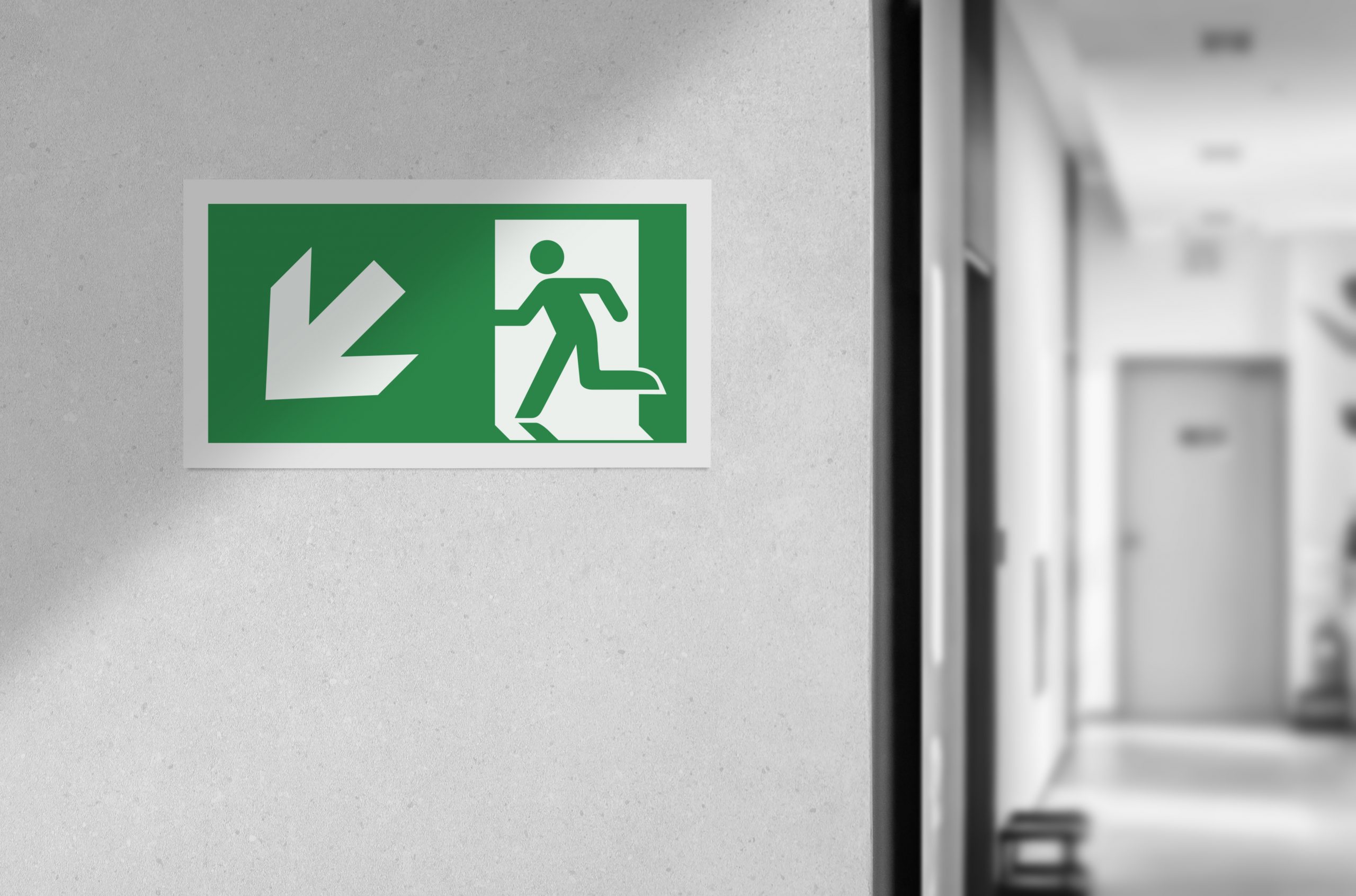
Utilise signage
Clearly mark hazardous areas such as wet floors, steps, and low-hanging objects with appropriate signage. This helps to alert staff and visitors to potential dangers, reducing the risk of accidents.
Inspect and maintain equipment
Malfunctioning or poorly maintained equipment can pose a significant risk to safety. Implement a regular inspection and maintenance schedule for all kitchen equipment to ensure they are in good working condition.
Encourage communication for kitchen safety
Foster a culture of safety where employees feel comfortable reporting hazards or near-misses. Encourage open communication and actively address any concerns raised by your staff.
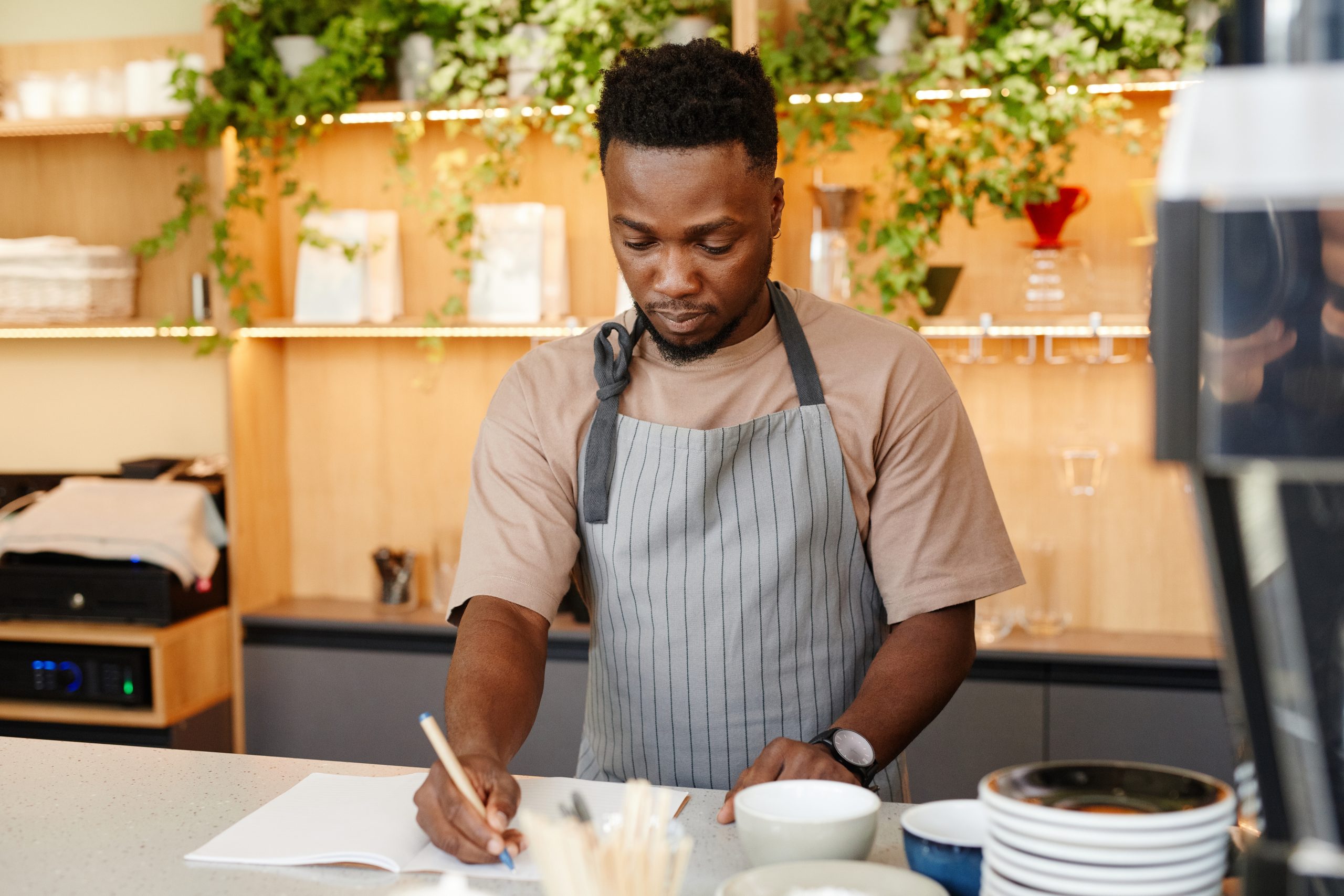
Monitor and analyse incident data
Keep records of all incidents and near-misses in your kitchen. Analysing this data can help identify trends and areas for improvement, allowing you to take proactive measures to prevent future accidents.
Stay compliant with regulations for kitchen safety
Familiarise yourself with relevant safety regulations and ensure your kitchen complies with them.
By implementing these tips and practices, you can significantly reduce the risk of slips, trips, and falls in your commercial kitchen. Not only will this help protect your employees from injury, but it will also improve productivity and reduce costs associated with accidents.
Prioritising safety in a commercial kitchen is crucial for the well-being of your employees and the success of your business.
Comments are closed here.