
How to store PPE properly: maximise lifespan & compliance
Personal Protective Equipment (PPE) is an essential investment for any business, but its effectiveness depends heavily on how it’s stored.
Poor storage can lead to contamination, physical damage, reduced lifespan and even non-compliance with UK safety regulations.
By organising PPE correctly and protecting it from environmental damage, businesses can ensure safety standards are met and equipment stays fit for purpose.
Whether you’re responsible for staff in food production, warehousing or construction, proper storage is key.

General & food-safe workwear
These garments should be stored in clean, dry, ventilated cupboards or lockers, away from chemicals and strong odours.
Food-safe clothing such as safety boots, coats and trousers must be separated from outdoor or soiled garments to prevent contamination, ideally in clearly labelled compartments or garment rails.
Water-resistant and flame-retardant clothing should not be crushed or folded tightly, as coatings and treated fibres can degrade over time.
Allocate individual hangers or shelves so items keep their shape and integrity.
High-visibility clothing
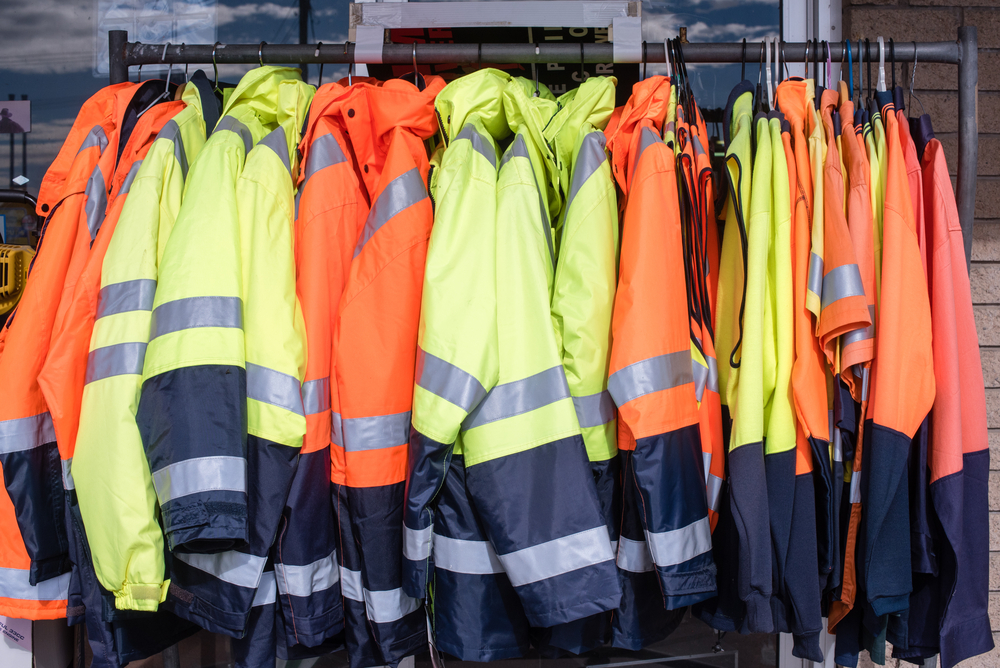
Hi-vis garments such as vests, bodywarmers, jackets, fleeces, polo shirts and trousers, rely on reflective tape and fluorescent fabrics, which are sensitive to UV light, dust and moisture.
Store them hanging or folded loosely in designated lockers, drawers or garment cupboards to stop creasing that may crack reflective strips.
Avoid direct sunlight, and do not stack heavy items on top that could damage fabrics. Keeping clean hi-vis items separate from used clothing reduces cross-contamination and extends wear life.
Protective accessories
Safety gloves, eyewear and headwear are all items that are small but easily damaged if stored incorrectly.
- Safety gloves should be kept flat or in breathable compartments to prevent deformation. Separate clean pairs from used ones and avoid damp storage to prevent mould or material breakdown.
- Safety eyewear needs to be stored in cases, pouches or compartmentalised drawers to protect against scratches and dust.
- Safety helmets and headwear should be placed on shelves or helmet racks rather than hooks, as hanging from straps or clips can weaken suspension systems. Keep them away from direct heat and chemicals that may degrade plastic.
Temperature, labelling and rotation
Consistent room temperature is important across all PPE types. Extreme heat can warp plastics and weaken stitching, while damp conditions can damage fabrics and linings.
Always follow a FIFO (First In, First Out) approach to ensure older stock is used first and nothing expires unnoticed.
Clear labelling by user, size or department helps keep storage organised and accessible.
Regular checks & staff awareness
Storage areas should be inspected frequently for signs of wear, contamination or overcrowding.
Train staff to return PPE correctly and report any items that are damaged or unfit for use. Good habits prevent equipment loss and prolong service life.
When sourcing PPE, using a trusted provider like Complete Safety Supplies ensures you have access to compliant garments and accessories across all sectors – from food manufacturing to construction.
Many businesses pair their PPE orders with lockers, storage bins and signage to create a complete system.
Proper PPE storage protects workers, reduces replacement costs and helps you remain inspection-ready. With the right setup, your PPE will last longer, perform better and stay compliant.
Comments are closed here.