
Hazards in a Commercial Kitchen: Essential Safety Tips
Working in a commercial kitchen can be rewarding, but also risky. Safety precautions such as safety signs and being aware of the many potential hazards in a commercial kitchen, including hot equipment, sharp knives, dangerous machines and glassware, is essential. If you are not careful, you can easily get injured by cuts and burns that can affect your health and productivity.
Workers in restaurants and other eating places experience cuts, lacerations, punctures and thermal burns at higher rates than workers across other private industries. A 2019 report from Health and Safety at Work highlights that the accommodation and food service industries have a significantly higher number of non-fatal injuries per 1000 workers when compared to other industries.
This indicates that the food service industry carries inherent risks and emphasises the importance of implementing safety measures to prevent injuries and promote a safe work environment.
Here are some do’s and don’ts to help you prevent cuts and burns in a commercial kitchen.
Knife Safety
Knives are essential tools for food preparation, but they can also cause serious injuries if mishandled. Follow these tips to use knives safely:
- Do keep your knives sharp. Sharp knives are safer than blunt ones because they require less force and are less likely to slip.
- Do use the right knife for the right task. Different knives have different purposes and sizes. For example, use a chef’s knife for chopping vegetables, a paring knife for peeling fruits and a bread knife for slicing bread.
- Do hold the knife properly. Use a firm grip on the handle and keep your fingers away from the blade. Use a claw grip to hold the food you are cutting, with your fingertips tucked under your knuckles.
- Do cut on a stable surface. Use a cutting board that is secured with a damp cloth or a non-slip mat. Never cut food in your hand or on a plate.
- Don’t leave knives unattended on the counter or in the sink. Store them in a knife block, a magnetic strip or a drawer with blade protectors.
- Don’t use knives for anything other than cutting food. Don’t use them to open cans, pry lids or scrape pans.
- Don’t try to catch a falling knife. Let it drop and move away from it.

Glass Safety
Glassware can break easily and cause cuts if not handled with care. Follow these tips to avoid glass-related injuries:
- Do inspect glassware before using it. Check for cracks, chips or scratches that can weaken the glass or cause it to shatter.
- Do use appropriate glassware for hot liquids. Use heat-resistant glassware such as Pyrex or borosilicate glass for boiling water, coffee or tea. Avoid using thin glassware such as wine glasses or tumblers for hot liquids.
- Do handle glassware gently. Don’t bang, clink or stack glassware too high or too tightly. Don’t use metal utensils or abrasive cleaners on glassware.
- Don’t use broken or chipped glassware. Dispose of it safely in a designated bin or wrap it in paper or cloth before throwing it away.
- Don’t put cold glassware in hot water or vice versa. This can cause thermal shock and make the glass crack or explode.
- Don’t microwave glassware that is not microwave-safe. Check the label or the manufacturer’s instructions before using glassware in the microwave.
Machine Safety
Machines such as slicers, mixers, blenders and food processors can make your work easier, but they can also pose serious hazards if not used correctly. Follow these tips to operate machines safely:
- Do read the manual and follow the instructions. Learn how to use, clean and maintain the machine properly. Ask for training if you are unsure how to operate it.
- Do wear personal protective equipment (PPE). Wear gloves, aprons, goggles and hairnets when using machines that can cause cuts, burns, splashes or flying debris.
- Do turn off and unplug the machine when not in use or when changing blades or attachments. Never leave a machine running unattended or try to adjust it while it is on.
- Don’t wear loose clothing, jewellery or long hair that can get caught in moving parts. Tie back your hair and tuck in your sleeves and shirttails. Remove rings, bracelets, watches and earrings before using machines.
- Don’t put your hands or fingers near the blades or openings of machines. Use pushers, tongs or spatulas to feed food into machines. Keep your hands away from moving parts such as belts, chains or gears.
- Don’t overload or overfill machines. Follow the manufacturer’s recommendations for the maximum capacity and speed of machines. Don’t force food into machines that are too small or too full.
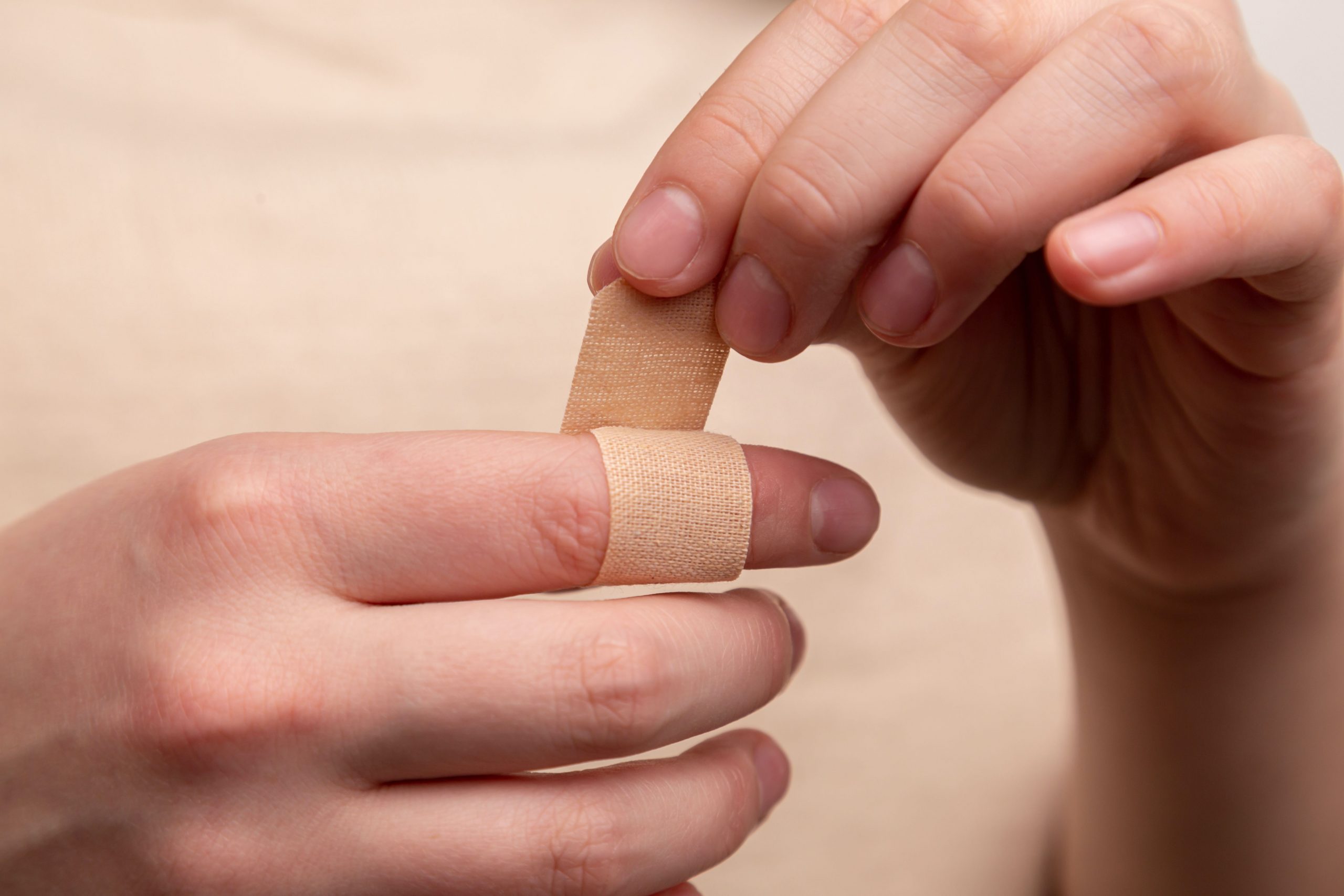
First Aid
Despite your best efforts, accidents can still happen in a commercial kitchen. If someone gets injured by cuts or burns, you need to act quickly and provide first aid. Here are some basic steps to follow:
- Do stop the bleeding of cuts by applying direct pressure with a clean cloth or bandage. Elevate the wound above the heart if possible and seek medical attention if the bleeding is severe or does not stop after 15 minutes.
- Do cool down burns by running cold water over them for at least 10 minutes. Cover them with sterile gauze or cling wrap and seek medical attention if the burns are large, deep, blistered or infected.
- Do use blue plasters for minor cuts and burns in a commercial kitchen. Blue plasters are easy to spot and contain metal strips that can be detected by metal detectors if they fall into food.
- Do have an accessible first aid and burn kits in your kitchen. Your kit should contain items such as sterile gauze, bandages, burn gel, scissors and gloves.
- Don’t apply butter, oil, ice or toothpaste to burns. These can worsen the damage and increase the risk of infection.
- Don’t remove clothing that is stuck to burns. This can cause more damage and pain. Cut around the clothing instead and let a medical professional remove it later.
- Don’t pop blisters from burns. This can expose the wound to bacteria and delay healing.
All of the above can reduce the risk of accidents and injuries, and help employees work more efficiently and safely. However, accidents can still happen even if you are careful. That’s why it’s important to have a system for reporting and recording all workplace accidents and incidents.
This will help you comply with the law, identify the causes of accidents, prevent them from happening again, and protect yourself and your employer from legal and financial consequences.
One of the best ways to report and record accidents is to use an accident log system. Another thing is to ensure you have the next of kin details of all your employees on file. This will allow you to contact their family members in case of an emergency.
By following guidelines of safety when it comes to burns and cuts, implementing training and having an accident log system, shows that you care about your employees’ well-being and safety in a commercial kitchen. These factors will help to improve workplace culture, reputation, performance and to abide by legislation.
Comments are closed here.