
Food safety – a vital guide to UK workplace regulations
Maintaining safety in a workplace is not only a legal requirement in the UK—it’s also essential for protecting your team, your products, and your reputation.
Whether you’re manufacturing food, storing it in bulk, distributing it across the country, or acting as an intermediary, workplace safety needs to be front of mind every day.
Here’s a quick guide to the key safety regulations food businesses should be aware of—and the equipment and PPE that can help you stay compliant and protect your team.

Understanding your legal duties
Under the Health and Safety at Work etc. Act 1974, all employers must ensure, as far as is reasonably practicable, the health, safety, and welfare of their employees. For food-sector businesses, this includes risks linked to:
- Machinery and equipment use
- Slips, trips, and falls
- Manual handling
- Temperature-controlled environments
- Food safety hazards (contamination, allergens)
The Food Standards Agency (FSA) and HSE also require you to have effective procedures for hygiene and safety, including provisions for personal protective equipment (PPE).
Risk assessments are a must
You’re legally required to carry out risk assessments for your workspaces. That includes evaluating hazards in:
- Production lines
- Cold stores and freezers
- Goods-in and dispatch areas
- Loading bays
- Packing stations
From these assessments, you can determine what protective clothing and equipment your staff need to work safely.

PPE for food production and storage environments
Proper PPE is crucial—not just for protecting workers, but also for preventing food contamination. Here’s a breakdown of commonly needed safety gear and where you can find it:
Disposable gloves
Essential for handling food, especially in chilled and high-care areas. Choose nitrile gloves for durability and allergen control.
Hygiene coats and food industry clothing
Clean, protective workwear helps maintain hygiene standards and keeps contaminants away from food areas.
Mob caps and beard covers
Used in high-care or ready-to-eat areas to prevent hair contamination.
Slip-resistant footwear
Food facilities are often wet or greasy—non-slip safety boots or shoes reduce the risk of slips and falls.
Hi-vis clothing
A must-have for warehouse, loading bay, and night shift operations.
Cold-store PPE
For team members working in freezers or refrigerated warehouses, thermal gloves, jackets and salopettes protect against cold stress.
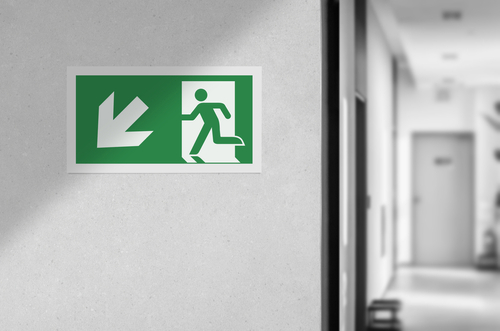
Safety signage and equipment
Don’t forget that visual reminders and safety tools play a vital role in compliance:
- First aid kits should be clearly marked and easily accessible.
- Spill kits are required where oils, cleaning fluids or food products are handled.
- Fire safety equipment must be regularly inspected and appropriate to your environment.
Ongoing training and monitoring
Safety isn’t “set and forget.” Regular training ensures all staff understand the correct use of equipment and PPE. Maintain logs, conduct audits, and keep up with updates to regulations from the HSE, FSA, and relevant food safety schemes like SALSA or BRCGS.
Whether you’re running a food production site, cold storage warehouse, or a distribution hub, safety should be part of your culture—not just a compliance box to tick.
At Complete Safety Supplies, we support food-sector businesses with practical, reliable safety clothing and equipment tailored to real-world needs. If you’re not sure what your team needs to stay compliant and protected, feel free to get in touch.
Comments are closed here.