
Ensure food safety now: the vital role of health and safety essentials
In the realm of food production and handling, maintaining the highest standards of hygiene and safety is non-negotiable, which is why health and safety essentials are of the utmost importance.
Every year, millions of people around the world suffer from foodborne illnesses, many of which are preventable with proper precautions and protective gear.
From hairnets to safety boots, each health and safety essential plays a crucial role in safeguarding both workers and consumers. Let’s explore the importance of wearing these essentials in food environments.
Health and safety essentials:
1. Disposable headwear
Hairnets and hats are indispensable tools for preventing hair contamination in food environments. According to the Canadian Institute of Food Safety, hair is a common physical source of contamination in food production, contributing to the spread of pathogens and allergens. By wearing disposable headwear, workers minimise the risk of hair falling into food, thereby reducing the likelihood of contamination and ensuring product quality and safety.
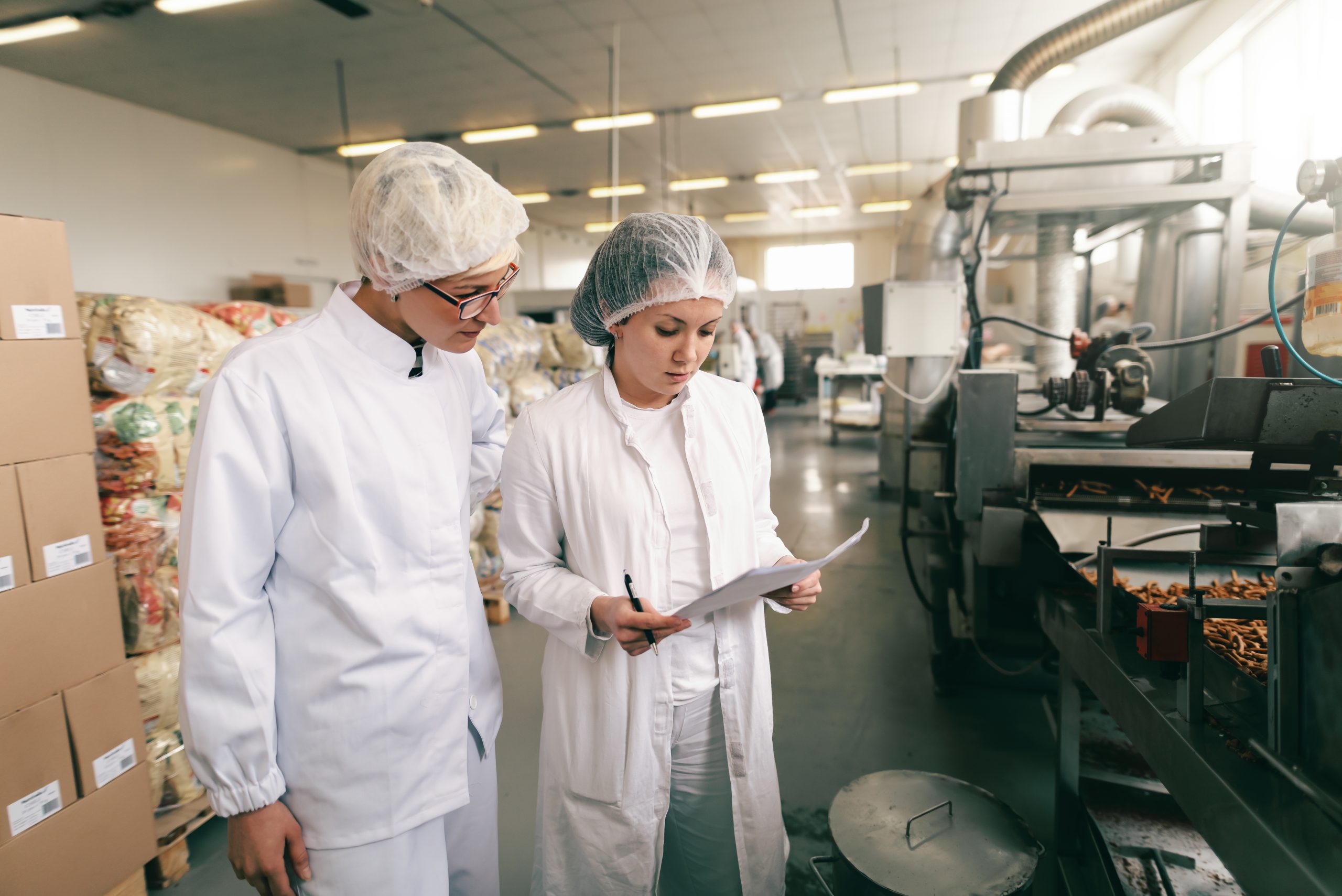
2. Disposable gloves
Disposable gloves are essential for maintaining hand hygiene and preventing cross-contamination in food handling processes. HACCP Australia reports that proper glove use reduces the risk of foodborne illness transmission by providing a barrier between hands and food. By wearing gloves, workers minimise direct contact with potentially hazardous substances, ensuring the integrity of food products and protecting consumer health.
3. Coveralls, aprons, and coats
Coveralls, aprons, and coats provide an additional layer of protection against spills, splashes, and contaminants in food production and processing environments. These garments help maintain cleanliness and prevent cross-contamination between different work areas. According to the Food Standards Agency, appropriate protective clothing is essential for minimising the risk of food contamination and ensuring compliance with food safety standards.
4. Food environment wellingtons & shoes and safety boots
Footwear is a critical component of health and safety in food environments, where workers are exposed to various hazards, including slippery surfaces and falling objects. Food environment wellingtons, shoes, and safety boots are designed to provide slip resistance, protection against spills, and support for long hours of standing. The Centers for Disease Control and Prevention (CDC), along with the National Institute for Occupational Safety and Health (NIOSH), emphasises the importance of proper footwear in preventing workplace injuries, particularly in food manufacturing and processing facilities.
5. Freezer & chiller safety boots and shoes
In cold environments such as freezers and chillers, specialised safety boots and shoes are essential for protecting workers from frostbite and maintaining comfort and safety. These footwear options are designed to provide insulation and traction on slippery surfaces, reducing the risk of cold-related injuries. The Health and Safety Executive (HSE) recommends the use of appropriate footwear in cold environments to prevent slips, trips, and falls, which are common causes of workplace accidents.
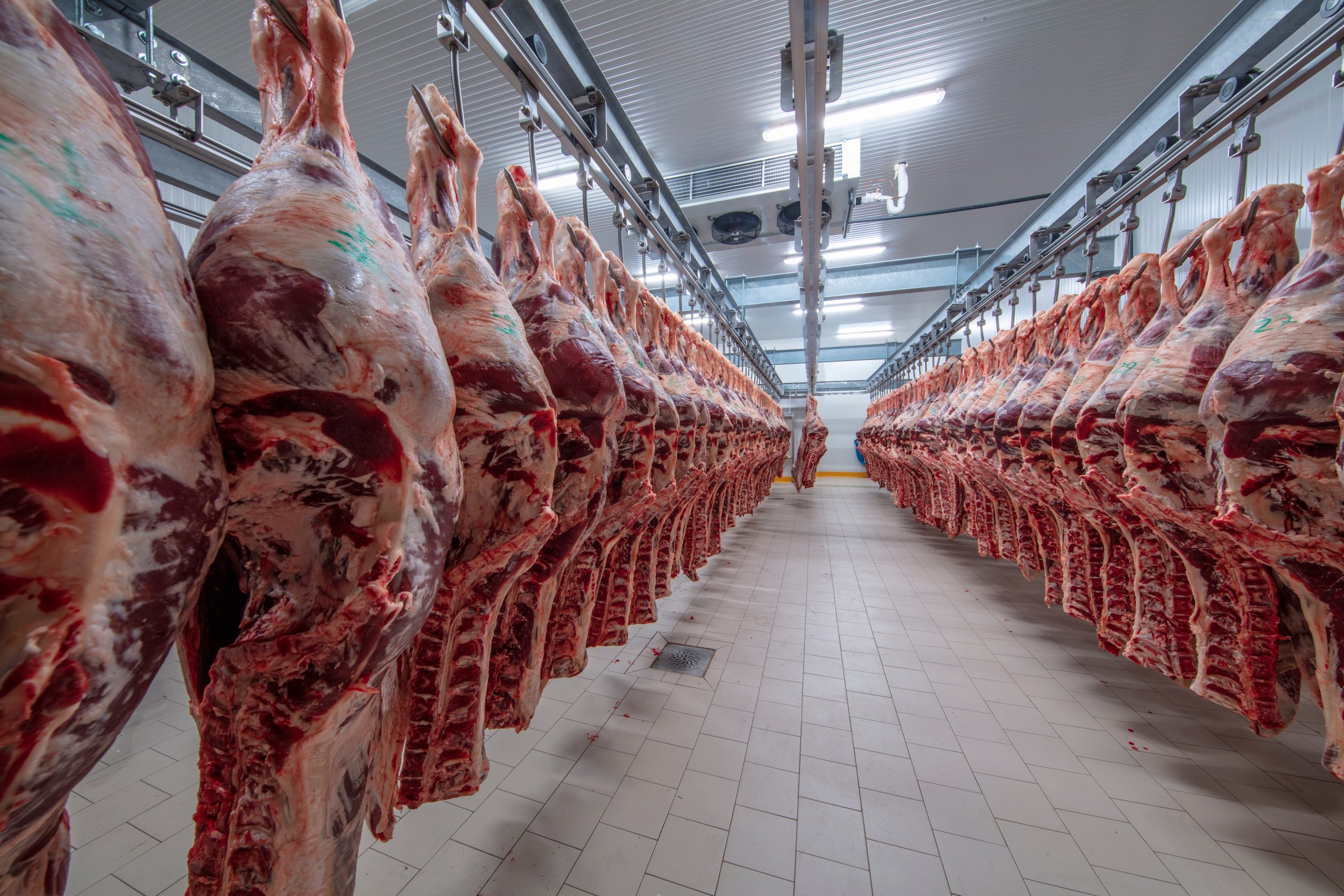
6. Freezer workwear
Freezer workwear, including insulated jackets, trousers, and gloves, are essential for workers in cold storage environments. These garments provide thermal insulation, wind protection, and visibility in low-light conditions, ensuring worker comfort and safety. The British Frozen Food Federation (BFFF) highlights the importance of proper clothing in preventing cold stress and hypothermia in freezer work environments.
In conclusion, wearing all the necessary health and safety essentials in food environments is essential for protecting both workers and consumers from potential hazards and contamination. By adhering to proper attire guidelines and utilising appropriate protective gear, workers can minimise the risk of foodborne illnesses, ensure compliance with regulations, and uphold the highest standards of food safety.
To explore a wide range of protective workwear tailored for food environments, visit Complete Safety Supplies and prioritise safety in your workplace.
Comments are closed here.