
E.coli outbreak linked to lettuce: Ensure safety with Hygiena MicroSnap Swabs
The recent E.coli outbreak has made headlines, tracing back to contaminated lettuce and resulting in over 200 illnesses.
The Food Standards Agency (FSA) has pinpointed lettuce as the source of this outbreak, though the exact cause of contamination remains unknown. This incident underscores the critical importance of rigorous food safety practices, especially for those involved in the production and storage of salads.
E.coli, a bacterium that lives in the intestines of animals and humans, can cause severe foodborne illness. While most strains are harmless, some can lead to serious symptoms, including abdominal cramps, diarrhoea, and vomiting.
In extreme cases, E.coli infection can result in kidney failure or even death. Given the potential severity of E.coli infections, preventing contamination in food products is paramount.
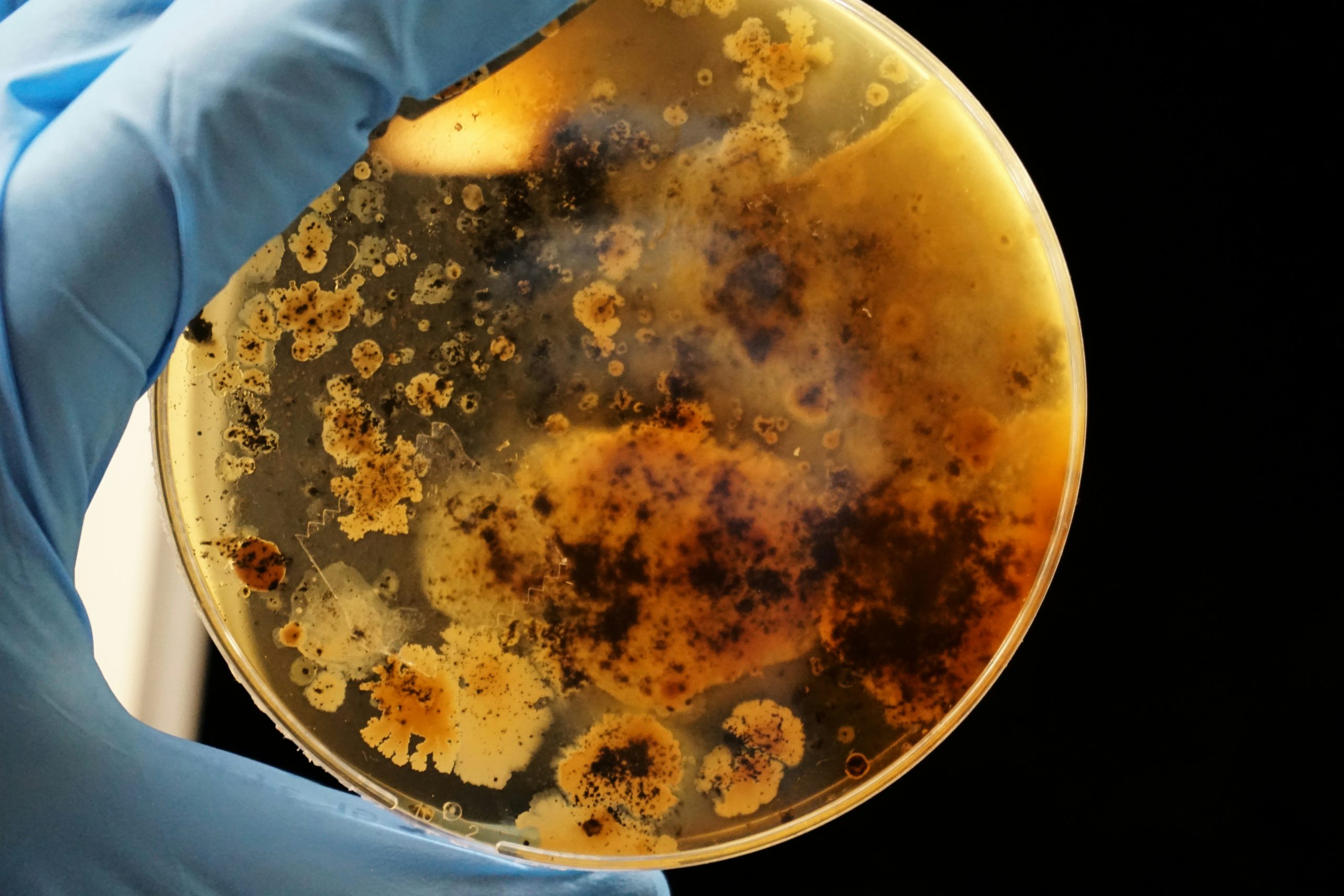
Understanding the risks of E.coli contamination
Contamination of lettuce with E.coli can occur in several ways. Manure from dairy herds containing the bacterium can come into direct contact with lettuce. Alternatively, E.coli can transfer to lettuce through contaminated soil or water. Ensuring that irrigation water meets safety standards is another critical step to prevent contamination.
Given these risks, food manufacturers and storers must adopt stringent safety measures. One effective method for ensuring the safety of salads and lettuce is through the use of E.coli Hygiena MicroSnap swabs, available from Complete Safety Supplies. These tools allow for the testing of surfaces and solid samples for the presence of E.coli, helping to maintain food safety standards.

How to use MicroSnaps to ensure food safety
1. Routine testing:
Regular testing of surfaces where lettuce is prepared and stored is essential. Using E.coli Hygiena MicroSnap swabs for these tests helps detect any contamination early, allowing for immediate corrective actions. Routine testing ensures that any potential contamination is identified before it can spread, protecting consumers from illness.
2. Solid sample testing:
It’s not just surfaces that need testing—solid samples of lettuce and other salad ingredients should also be tested. By testing these ingredients before they reach consumers, food manufacturers can ensure they are free from E.coli. This step is crucial in maintaining the safety and integrity of the food supply chain.
3. Ensuring clean environments:
Maintaining strict hygiene standards in food preparation and storage areas is critical. Regular cleaning and sanitising of these areas must be verified with Hygiena MicroSnap swabs to ensure the effectiveness of cleaning protocols. This verification process helps maintain a clean environment, reducing the risk of contamination.
4. Preventing cross-contamination:
To prevent cross-contamination, dedicated utensils, chopping boards, and work surfaces should be used exclusively for salads. These items should be tested regularly with E.coli Hygiena MicroSnap swabs to ensure they remain uncontaminated. Preventing cross-contamination is a key step in ensuring that salads and other ready-to-eat foods are safe for consumption.

The benefits of swabs
Integrating E.coli swabs into food safety protocols offers several benefits. These swabs provide a quick and effective means of testing for E.coli, allowing for timely identification and response to contamination. This proactive approach helps protect consumers, ensuring that products are safe and reliable.
By adopting these practices, food manufacturers and storers can significantly reduce the risk of E.coli contamination. Staying informed and vigilant with the latest in food safety technology is essential to maintaining high standards and protecting public health.
Stay safe and vigilant
E.coli outbreaks like the recent one linked to lettuce highlight the importance of food safety. Utilising tools like E.coli Hygiena MicroSnap swabs from Complete Safety Supplies can help ensure that food products are safe for consumption.
By implementing routine testing, maintaining clean environments, and preventing cross-contamination, food manufacturers and storers can protect consumers from the dangers of E.coli.
Stay informed and vigilant, and make food safety a top priority.
Comments are closed here.