
Allergen Testing: Why is it vital for Food Businesses?
Food businesses have a legal and moral responsibility to prevent allergic reactions and protect customer health with allergen testing. The responsibility also lies throughout the supply chain from companies storing raw ingredients, manufacturing, labelling and packaging, and transportation. It involves providing accurate allergen information and following best practice for handling allergens. Failure to do so can result in fines, legal action, loss of reputation and customer trust.
Food allergies are a serious health issue that affects millions of people around the world. According to the Food Standards Agency, there are around 2 million people living with a diagnosed food allergy in the UK. Food allergies can cause a range of symptoms, from mild to life-threatening, and can affect any part of the body. The most severe reaction is anaphylaxis, which can cause breathing difficulties, loss of consciousness and even death.
How can food businesses ensure that they are detecting and managing allergens effectively and avoiding cross contamination? Here are some tips and examples of products that can help.
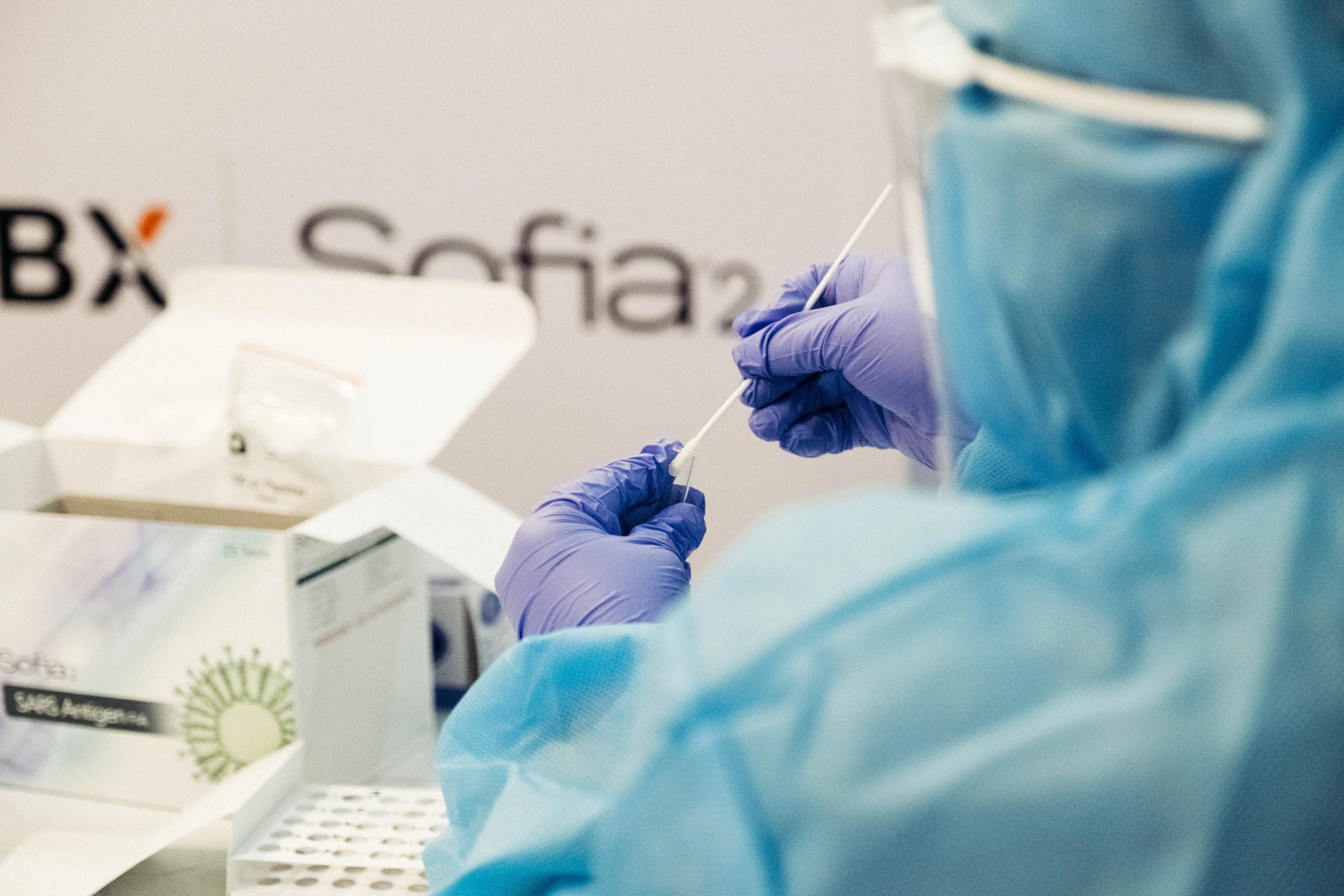
Know the legally regulated allergens
There are 14 food allergens that are required to be declared by UK food law. These are celery, cereals containing gluten, crustaceans, eggs, fish, lupin, milk, molluscs, mustard, peanuts, sesame, soybeans, sulphur dioxide and sulphites and tree nuts. Food businesses need to know which of these allergens are present in their ingredients and products and communicate this information to their customers.
If manufacturing or supplying goods internationally it is also important to be aware that different countries have different foods that are declared as allergies with different labeling and management requirements. For example, Australia and New Zealand recognise Bee pollen as an allergen whereas the EU does not. The Food Allergy Research and Resource Program provides a very helpful international regulation chart.

Products and Tools to help manage allergen testing
- Use allergen test kits and swabs: Testing for food allergens is a valuable tool when used as part of a risk-based approach to allergen management. Test results can provide assurance and verification of critical controls within a comprehensive risk management programme. Allergen test kits and swabs can help food businesses detect the presence of allergens on surfaces, equipment and utensils. They can also help verify the cleaning procedures and prevent cross contamination.
- Disposable protective clothing: Ideally staff should change into clean protective clothing before handling food. The clothing should minimise skin coming into contact with food and prevent hairs, fibres and the contents of pockets (which can carry bacteria) from coming in contact with food. Disposable clothing such as gloves, aprons, and headwear offers protection from cross contamination for allergy ingredients. It is important to remember to change disposable clothes when moving between products containing different allergies.
- Use colour-coded equipment: Cross contamination is one of the main causes of allergic reactions in food businesses. Cross contamination occurs when allergens are unintentionally transferred from one food product to another through direct or indirect contact. One way to prevent cross contamination is to use colour-coded utensils, cleaning equipment and chopping boards for different types of food products. For example, red boards for raw meat, blue boards for fish, green boards for salad and fruit, etc. This can help avoid mixing up or using the same board for different foods that may contain allergens.
- Use allergen labels and signs: Providing accurate allergen information to customers is essential for food businesses. Allergen labels and kitchen signs can help food businesses identify and display the allergens present in their products. They can also help customers make informed choices and avoid foods that may cause them harm. Allergen labels and signs should be clear, visible and up-to-date.
By following these tips and using these products, food businesses can improve their allergen testing, management and help avoid cross contamination. This can help them comply with the law, reduce the risk of allergic reactions and improve customer satisfaction.
If you are looking for quality safety products that can help you detect and manage allergens in your food business, visit our Complete Safety Supplies online store or call 0845 026 7745.
Comments are closed here.