
Allergen safety; ensure your food business is proven to be compliant
The tragic incident involving a young girl and a hot chocolate from Costa Coffee has brought the issue of allergen safety sharply into focus. Our hearts go out to the family affected by this heartbreaking event, which serves as a stark reminder of the critical importance of strict allergen management in food and hospitality settings.
At Complete Safety Supplies, we recognise that allergen safety is not just a regulatory requirement but a moral responsibility that demands constant vigilance and commitment.
The importance of allergen safety
Food allergies affect millions of people worldwide. In the UK alone, around 2.4 million people have food allergies, with approximately 1 in 3 experiencing allergic reactions to certain foods. For some, even the slightest exposure to allergens can result in life-threatening reactions, such as anaphylaxis.
This underscores the importance of meticulous allergen management in all food and hospitality establishments.
The recent tragedy serves as a sombre reminder of the potential consequences when allergens are not managed with the utmost care. It highlights the need for every business involved in the preparation and serving of food to adopt strict allergen management procedures.
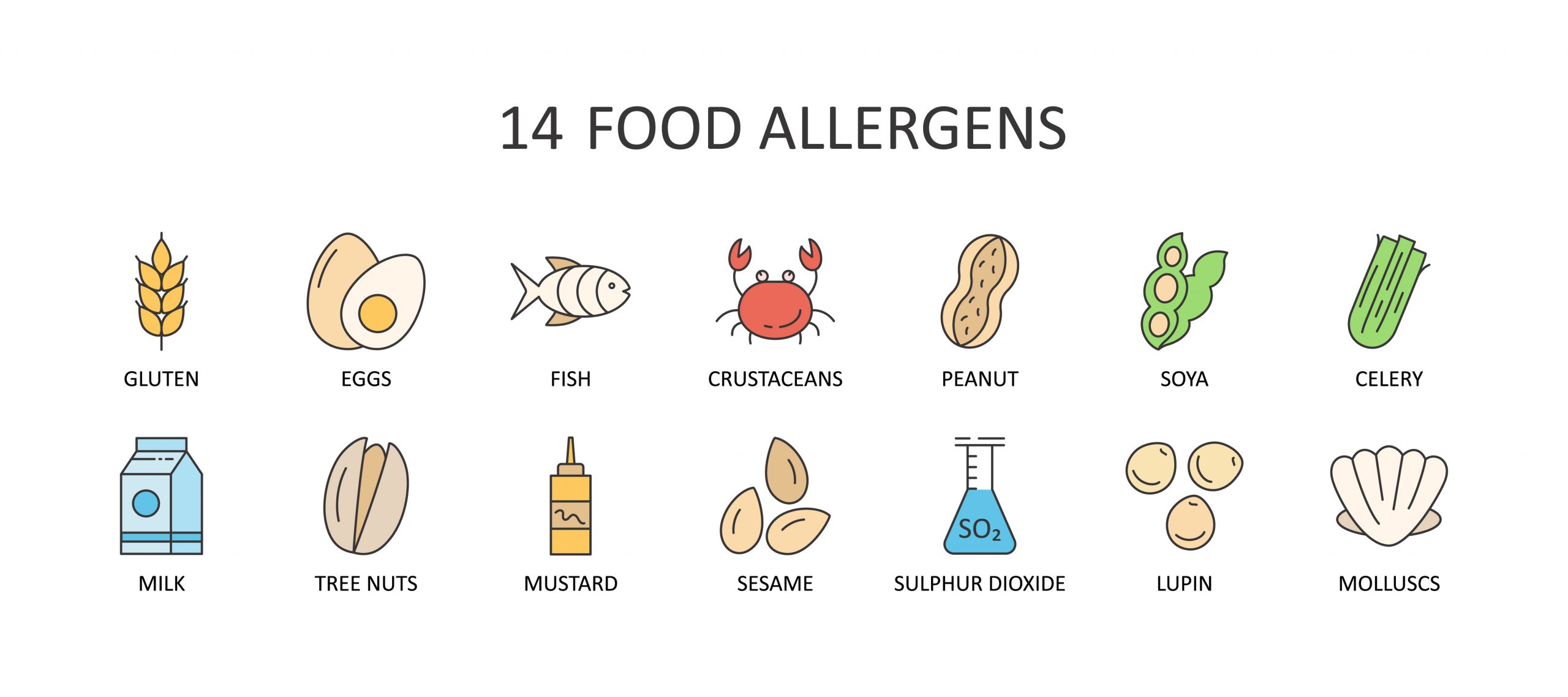
Key steps for allergen safety
Clear communication
Open and clear communication between staff and customers is crucial in managing allergens. Customers with allergies rely on accurate information to make informed choices.
Staff should be trained to listen carefully to customers’ needs, provide detailed information about ingredients, and never assume that a dish is allergen-free without verification. Displaying allergen information prominently on menus and packaging can help customers identify safe options.
Thorough ingredient checks
It is essential for food businesses to have a thorough understanding of the ingredients used in their products. This includes checking for hidden allergens, which may be present in flavourings, additives, or cross-contaminated ingredients.
Regularly reviewing ingredient lists and suppliers’ allergen information is vital to ensure accuracy. In situations where ingredient substitutions are necessary, staff must be diligent in re-evaluating the allergen status of the dish.
Strict procedures and cross-contamination prevention
Even trace amounts of allergens can trigger severe reactions. Preventing cross-contamination is a critical component of allergen management.
This involves using separate equipment and utensils for allergen-free dishes, thoroughly cleaning and swabbing surfaces, and implementing strict procedures for food preparation. For instance, using dedicated allergen-free zones and colour coded equipment in kitchens can significantly reduce the risk of cross-contact.

Staff training and awareness
All staff members, from front-of-house to kitchen personnel, must be trained in allergen awareness and the procedures to follow.
Regular training ensures that everyone understands the severity of food allergies and knows how to handle allergy-related queries from customers.
Staff should be empowered to take appropriate actions, such as declining to serve a dish if there is uncertainty about its allergen content.
Never compromise on allergen safety
Prioritising safety and never compromising on procedures is vital when it comes to allergens. This means consistently following protocols, regularly updating training, and using reliable allergen detection methods to support safety efforts.
Allergen safety is not just a one-time checklist; it requires ongoing effort and dedication to protect customers’ health and lives.
The tragic event involving the young girl serves as a powerful reminder of the critical importance of allergen management in the food and hospitality industry.
By ensuring clear communication, thorough ingredient checks, using effective allergen testing products, and strict adherence to procedures, food businesses can play a vital role in preventing such devastating outcomes. In a world where food allergies are increasingly common, prioritising allergen safety is not optional—it is a moral imperative.
Comments are closed here.