
Deciding on the right PPE for working environments
Personal Protective Equipment (PPE) is one of the most important safeguards in any workplace.
While employers should always aim to eliminate or reduce hazards through engineering controls and safe working practices, PPE remains a critical final layer of protection against injury, illness, and contamination.
The challenge is that PPE is not a one-size-fits-all solution. The equipment required in a food production facility differs significantly from the protection needed in a warehouse, or hospitality setting.
Selecting the right PPE for the environment helps improve safety, compliance, comfort, and productivity.
Why PPE selection matters
According to the UK’s Health and Safety Executive (HSE), employers must provide suitable PPE whenever risks cannot be adequately controlled by other means.
However, PPE is only effective when it is correctly selected, properly fitted, and appropriate for the hazards present.
Choosing unsuitable PPE can create new risks, reduce employee compliance, and leave workers vulnerable to injuries. Effective PPE programmes begin with a thorough risk assessment that identifies hazards such as:
- Slips, trips and falls
- Moving machinery
- Sharp tools and cutting equipment
- Chemical exposure
- Airborne particles
- Excessive noise
- Extreme temperatures
- Contamination risks
Different environments present different combinations of these hazards, making PPE selection a sector-specific decision.
PPE for food processing and food manufacturing environments
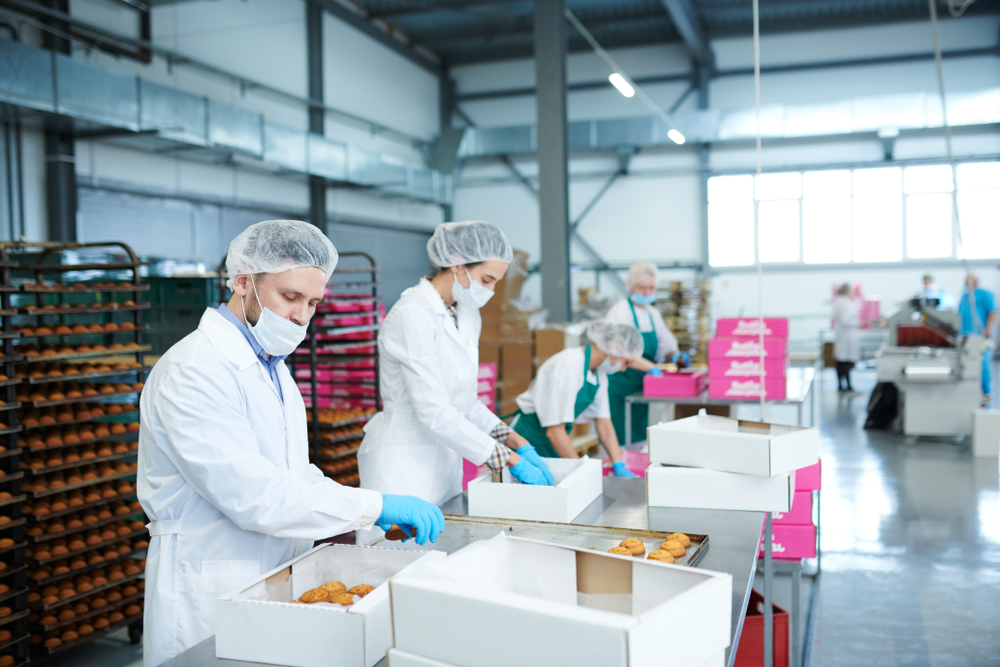
Food environments present a unique challenge because PPE must protect both the worker and the product. In addition to preventing injuries, PPE helps reduce the risk of contamination and supports food safety compliance.
Food industry workers may encounter:
- Wet and slippery floors
- Sharp knives and cutting equipment
- Cleaning chemicals
- Temperature-controlled environments
- Strict hygiene requirements
Common PPE for food environments includes:
Food-safe gloves help minimise contamination risks while protecting workers from cuts, abrasions, and contact with food products.
Nitrile gloves are often preferred due to their durability and resistance to chemicals.
Food industry guidance highlights gloves as one of the most essential forms of PPE because they protect both workers and products from contamination.
These are essential in food production areas to prevent foreign-body contamination and maintain hygiene standards.
- Protective clothing
Disposable aprons or overcoats help protect clothing and prevent contaminants from entering production areas.
Wet floors are common in food processing facilities. Slip-resistant footwear helps reduce one of the most common causes of workplace accidents.

PPE for warehousing and storage facilities
Warehousing environments have evolved significantly in recent years, with larger facilities, increased automation, and higher operational demands.
While they may appear lower risk than manufacturing sites, warehouses still present numerous hazards.
Common risks include:
- Vehicle movements
- Falling stock
- Manual handling injuries
- Slips and trips
- Loading and unloading operations
Hi-vis vests and jackets help improve worker visibility around forklifts, pallet trucks, and vehicle routes, particularly in busy distribution centres.
Safety boots with toe protection remain one of the most important forms of warehouse PPE. They help protect workers from dropped items, pallet impacts, and puncture hazards.
Workers handling stock, pallets, and packaging materials benefit from gloves that improve grip and protect against cuts and abrasions.
In facilities with overhead storage systems, bump caps or hard hats may be necessary depending on the risk assessment.
For workers operating in loading bays, external yards, or cold storage environments, insulated or weather-resistant PPE can provide additional protection and comfort.
PPE for hospitality and catering environments
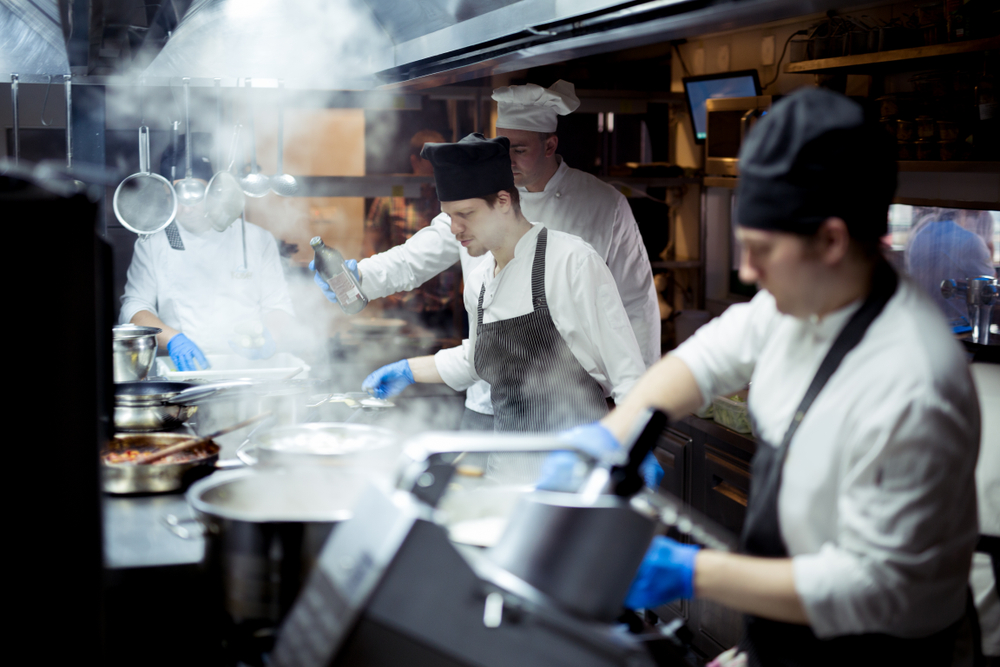
Hospitality may not immediately come to mind when discussing PPE, but employees face a range of daily hazards including slips, burns, cuts, and chemical exposure.
Whether working in a restaurant kitchen, hotel, café, or catering operation, suitable PPE helps protect staff while supporting hygiene standards.
- Disposable gloves and hairnets
Gloves and hairnets help reduce contamination risks and protect workers during food preparation and cleaning tasks.
Aprons protect against spills, splashes, and food contamination while helping maintain a professional appearance.
Kitchen environments are particularly prone to wet or greasy floors. Slip-resistant footwear can significantly reduce accident risks.
Key factors when choosing PPE
Regardless of industry, there are several principles that should guide PPE selection:
- Match PPE to the hazard
PPE should always be selected based on a workplace risk assessment rather than convenience or cost alone.
- Prioritise comfort and fit
Workers are far more likely to wear PPE correctly when it fits comfortably and allows them to perform their job effectively.
- Check standards and certifications
Always ensure PPE meets relevant UK and European standards and is suitable for the intended application.
- Train employees
Even the best PPE is ineffective if workers do not understand how to wear, maintain, and replace it correctly.
- Regularly review requirements
Workplaces evolve, equipment changes, and new risks emerge. PPE assessments should be reviewed periodically to ensure protection remains appropriate.
Final thoughts
The right PPE can make a significant difference to workplace safety, helping protect employees from injury while supporting compliance and operational efficiency.
However, effective PPE selection requires more than simply issuing equipment. It involves understanding the hazards present, matching protection to the environment, and ensuring employees have the knowledge and confidence to use PPE correctly.
Whether operating in food production/manufacturing, warehousing, or hospitality, organisations that take a proactive approach to PPE selection create safer workplaces, reduce incidents, and foster a stronger safety culture across their teams.
Comments are closed here.